
The Frustration and Folly of Winter Frost Delays
There are few more familiar winter scenes for a Yorkshire golfer than arriving at the clubhouse on a sharp, clear morning, finding the car park silvered with frost, and then hearing the hooter announce that the course is delayed. The instinctive reaction is understandable. The sky is bright, the fairways may look playable, and a carefully planned round, competition or society visit suddenly has to wait.
Yet a frost delay is not simply an administrative precaution or an example of overprotective course management. On frozen turf, every footstep can create damage that is invisible at the time but painfully obvious weeks or months later. The issue begins inside the grass plant itself, where water has become ice and living cells have lost their flexibility. Understanding that process makes the policy easier to accept: a short delay in November or January can protect the putting surfaces needed for medals, fixtures and enjoyable visitor golf in spring.
What Happens When Plant Cells Turn to Ice
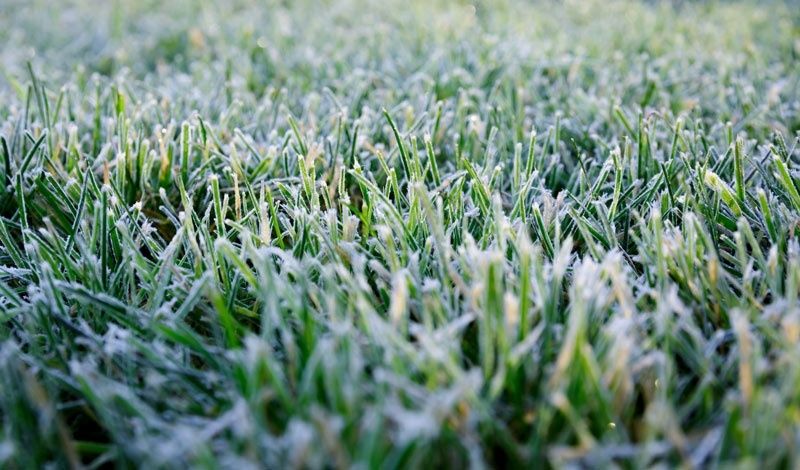
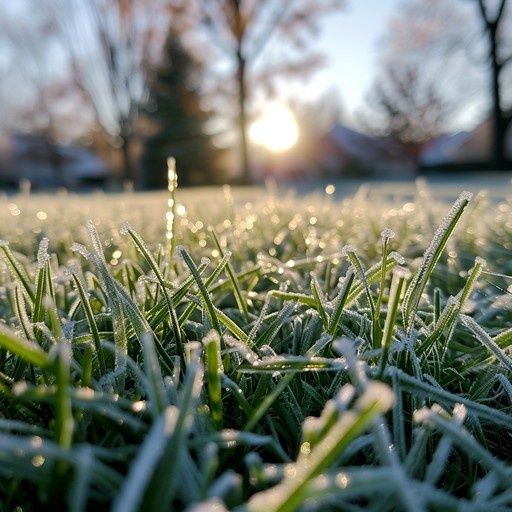
Fine turf on a closely mown green contains a very high proportion of water. Creeping bentgrass and fescues, both valued for their fine texture and quality ball roll, are particularly exposed when temperatures fall below freezing. Frost is essentially frozen dew, with ice crystals forming on and around the leaf. As temperatures drop further, water within plant tissues can also freeze. The result is a grass plant that may still look green but has temporarily lost the resilience that allows it to bend and recover under traffic.
In summer, a healthy blade flexes when a golfer walks across it. During frost, that same blade becomes brittle. Freezing water expands, and sharp ice crystals can puncture or rupture cell walls. A useful explanation from Evaluating Your Lawn and Landscape After the Recent Holiday Freeze describes how ice formation can damage plant cells and why injury may not become fully visible until later. The principle applies just as clearly to intensively managed golf turf as it does to lawns and landscape plants.
The concentrated nature of golf traffic makes the risk greater on greens. A typical fourball can place at least 300 footsteps on a green, before counting practice swings, repeated approaches or visitors walking to retrieve a ball. Spiked or moulded golf shoes apply pressure through a relatively small area, crushing frozen leaves and crowns rather than allowing them to flex. The damage may appear as dark bruising, black marks or brown patches after the frost has lifted, when the broken tissue begins to die.
- Frozen water makes grass cells rigid and less able to absorb impact.
- Foot traffic can rupture cell walls, crowns and growing points.
- Closely mown greens have little spare leaf material to cushion the plant.
- Damage may become visible only after thawing, making the original cause easy to miss.
The Footprint Ripple Effect Beneath the Putting Surface
The injury does not stop at the mark left by a shoe. The crown of the grass plant, positioned close to the soil surface, is the point from which leaves and roots develop. When the crown is bruised or torn, the plant”s ability to produce new growth is reduced. Repeated footsteps can also disturb the surface structure, compressing organic matter and closing the small air spaces needed for healthy roots.
Freeze and thaw conditions create a second hazard. The surface layer may begin to soften while the soil beneath remains frozen. Under those circumstances, the upper part of the green can move under pressure while the lower layer remains fixed. This can shear roots and disturb the delicate connection between the turf canopy and the rootzone. The practical difference between protected and trafficked turf is considerable.
| Protected green | Green played during frost |
|---|---|
| Leaves and crowns remain intact and resume growth when conditions improve. | Frozen tissues may bruise, rupture and die after thawing. |
| Rootzone structure remains open enough for air, water and roots. | Wet, freezing organic matter can become compacted beneath repeated traffic. |
| Spring maintenance can focus on refinement and preparation. | Recovery may require extra aeration, topdressing, seed and labour. |
| Surface remains more consistent for early competitions. | Patchy growth can affect pace, line and ball roll. |
These consequences explain why a course manager assesses more than the temperature shown on a weather app. Shaded hollows, north-facing holes, sheltered areas and greens at different elevations can thaw at different rates. One putting surface may be safe while another remains frozen. A formal frost policy gives the course manager the authority to judge those local conditions rather than relying on a single reading at the clubhouse.
Why January Footprints Become May Diseases and Spongy Greens
Bruised or ruptured plant tissue is an open wound. During cool, damp weather, damaged areas can provide opportunities for fungal pathogens associated with winter turf problems, including snow mould and fusarium patch. The presence and severity of disease depend on grass species, moisture, temperature, nutrition and other management factors, so frost traffic does not automatically create an outbreak. It does, however, add avoidable stress at precisely the time when recovery is slow.
Guidance in NC State”s turf disease management publication emphasises the importance of identifying the grass species, recognising symptoms and considering weather and soil conditions when managing disease. A damaged green can be harder to protect because weakened plants have less capacity to compete, grow over injury and recover from infection. Curative treatments are not a substitute for preventing unnecessary damage in the first place.
Root injury creates a further problem when spring arrives. A green may look ready to grow as air and soil temperatures rise, but severed or stressed roots cannot absorb water and nutrients efficiently. Growth then becomes uneven, leaving pale or discoloured lines where winter traffic was concentrated. Areas with poor rooting may also feel soft or spongy, particularly when wet conditions combine with compaction and a weakened grass cover.
- Damaged tissue can increase vulnerability to cold-season fungal disease.
- Injured roots may struggle to use spring nutrition effectively.
- Weakened bentgrass can lose ground to less desirable or less consistent species.
- Annual meadow grass, or Poa annua, may colonise thin footprints and produce uneven growth.
- Patchy recovery affects both the appearance of the green and the consistency of ball roll.
The consequence is not merely cosmetic. A putting surface with mixed growth habits can have different densities, textures and rates of recovery across a single line of putt. Annual meadow grass may respond differently to moisture and temperature than the finer grasses around it, contributing to a bumpy or inconsistent surface. Protecting the green during a January frost therefore has a direct connection with the true, reliable pace expected at spring medals and club matches in May.
Temporary Greens and Winter Etiquette for the Committed Golfer
Temporary greens are best understood as a preservation tool, not a punishment. They allow golfers to enjoy a winter round while removing concentrated traffic from the most vulnerable surfaces. Depending on the course, management may also reroute play, move tee positions, rope off sensitive margins or use winter tees. These measures protect the areas that carry the greatest long-term importance while keeping the course available as far as conditions responsibly permit.
There is no universal frost timetable. A green in open sunlight may thaw sooner than one in a shaded hollow, while wind, soil type, drainage and the duration of the freeze all affect the decision. Some courses may use a probe to assess whether frost remains below the surface, while others rely on direct inspection and local experience. Members and visitors should follow the course manager”s instruction rather than assuming that a clear fairway means every green is ready.
- Check the club”s daily course status before travelling, especially after a clear overnight frost.
- Allow the greenkeeping team time to inspect greens, tees and vulnerable approaches before play begins.
- Use temporary greens when directed, even if the main greens appear visually acceptable.
- Keep to marked routes and avoid walking across frost-prone margins or roped-off ground.
- Carry a bag where possible rather than dragging a heavy trolley over soft or frozen ground.
- Repair pitch marks and follow any temporary local rules once the course reopens.
Patience in the clubhouse is part of good winter etiquette. A delay may allow the sun to release frost from exposed greens while shaded or elevated holes remain closed for longer. That uneven thaw is precisely why a blanket assumption that the course is safe can be misleading. Clear communication from the club and respectful cooperation from golfers give the greenkeeping team the best chance of opening the course without sacrificing its spring condition.
Protecting Our Course Today for Championship Rolls Tomorrow
The botanical reality is straightforward: frozen greens cannot repair themselves while growth is dormant and temperatures remain low. A footprint made during frost can break cells, bruise crowns, compact the rootzone and create a weak point that persists well beyond the morning of the round. Once spring warmth returns, the consequences may appear as disease, thin turf, slow recovery and an inconsistent putting surface.
A frost delay is therefore a modest sacrifice in exchange for a better course through the main playing season. Members, visitors and event guests can help by accepting temporary greens, respecting closure notices, carrying bags when conditions demand it and allowing the greenkeeping team to make course-specific decisions. The reward is shared by the whole club community: healthier turf, more dependable greens and the satisfying prospect of championship-quality rolls when the spring fixtures begin.